Best Selling Outdoor Products Brand on Amazon




Most Recent Products Details
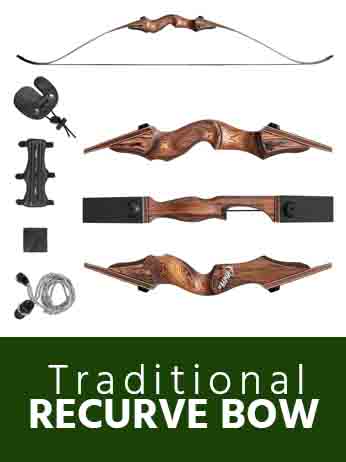
How to choose the best Recurve bow for Beginners?
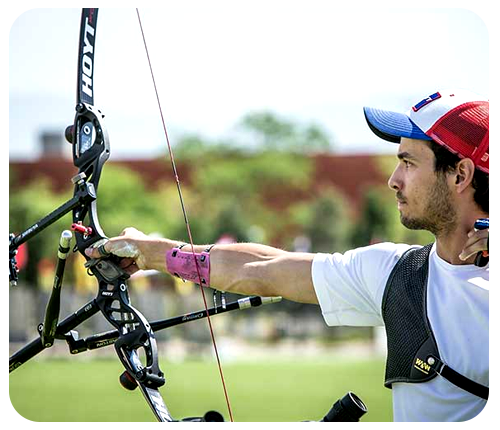
Choosing the best recurve bow for tenderfoots begins with coordinating the bow to your body and objectives, not chasing a favor brand. To begin with, appraise your draw length from your wingspan; this makes a difference you choose a appropriate bow length, more often than not around 62 inches for most grown-ups. Another, prioritize a moo to direct draw weight so you can hone redress shape without strain—many fledglings do well between 18 and 28 pounds. A takedown recurve is perfect, since you can supplant appendages as your quality and expertise progress, instep of buying a entire modern bow. Make beyond any doubt the bow matches your prevailing eye and hand, and that the grasp feels comfortable and secure. At whatever point conceivable, visit a master shop or club to be measured, test a few weights, and get bolts appropriately coordinated to your setup. Beginning with the right, excusing bow makes learning more secure, more agreeable, and distant more effective for you.
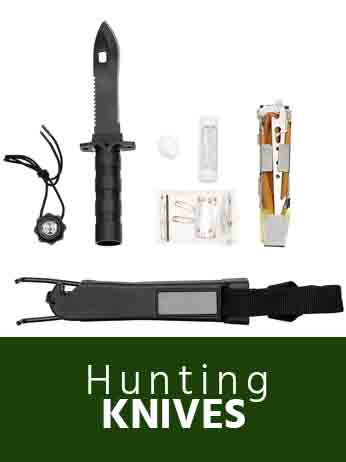
How to choose the best Survivals Knives for Hunting?
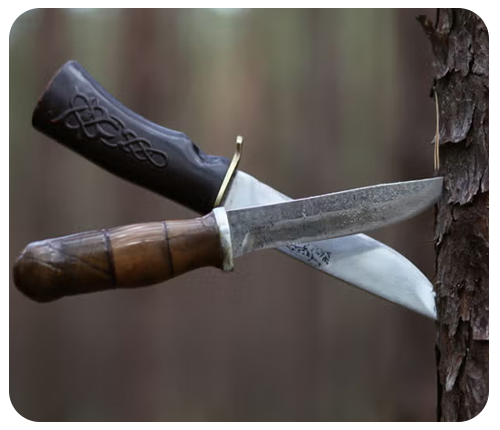
Choosing the best survival knife for hunting starts with the right design and size. For most hunters, a fixed-blade, full‑tang knife is best because it’s stronger and more reliable than a folding knife in tough conditions. Look for a blade length around 3.5–5 inches—long enough for field dressing and camp tasks, but short enough for control while skinning. A drop‑point blade is ideal: the curved belly cuts well, and the tip is less likely to puncture hides or organs. Choose a good steel that balances edge retention, corrosion resistance, and ease of sharpening (common options include 420HC, 1095 carbon, Sandvik, or mid‑range stainless steels). The handle should be non‑slip (rubber, G‑10, or Micarta) and comfortable in wet or bloody conditions. A sturdy sheath with solid retention is essential for safe carry. Finally, consider local laws, your budget, and how much weight you’re willing to carry.
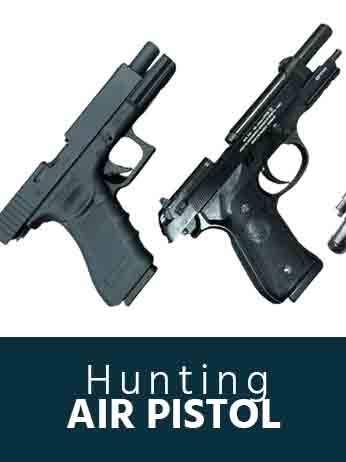
“Air rifle” and “Air gun” can be a bit confusing!
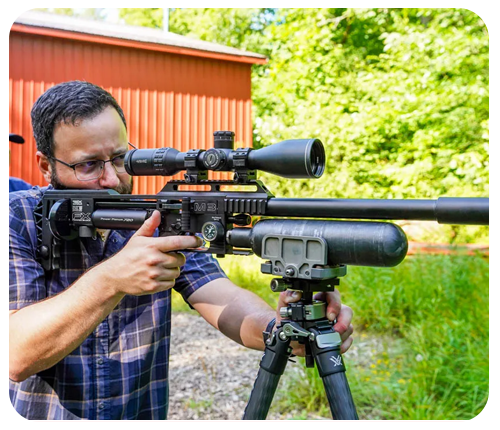
An air rifle isn’t exactly “better” than an air gun, because an air rifle is actually one type of air gun. The real comparison is usually between an air rifle and an air pistol. Air rifles are generally more powerful, more accurate, and better suited for longer‑range target shooting, pest control, or small‑game hunting where legal. Their longer barrel and shoulder stock make aiming easier and more stable. Air pistols are lighter, smaller, and great for short‑range plinking and basic practice. Which is better depends on your main purpose, shooting distance, local laws, and how much power you really need.
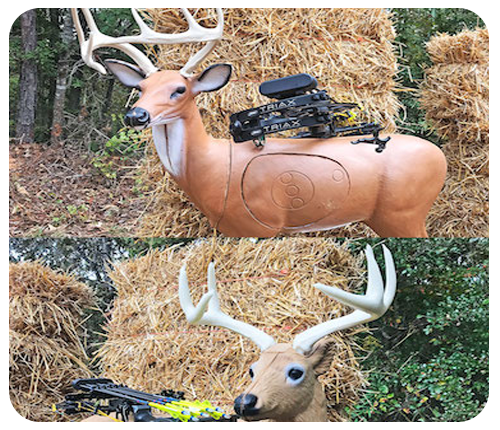
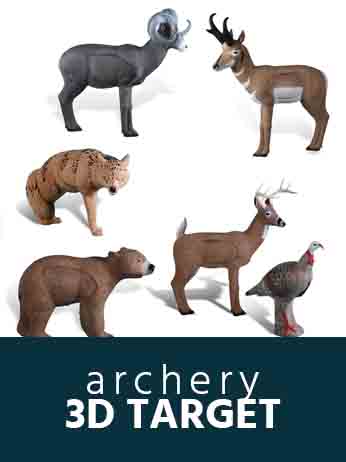
How To Find Best Archery Target 3D?
To find the best 3D archery target, start by deciding how you’ll use it: casual backyard practice, serious bowhunting preparation, or competition training. Next, look for high‑quality, self‑healing foam with a replaceable core or vital zone, so it lasts longer under repeated shots. Check whether it’s rated for field points, broadheads, or both, and make sure arrows pull out smoothly without damaging shafts. Choose realistic size and scoring rings that match your hunting game, and read reviews on durability, stability, and value. Trusted brands like Rinehart, Delta McKenzie, and GlenDel usually provide better performance and longer service life, overall reliability.